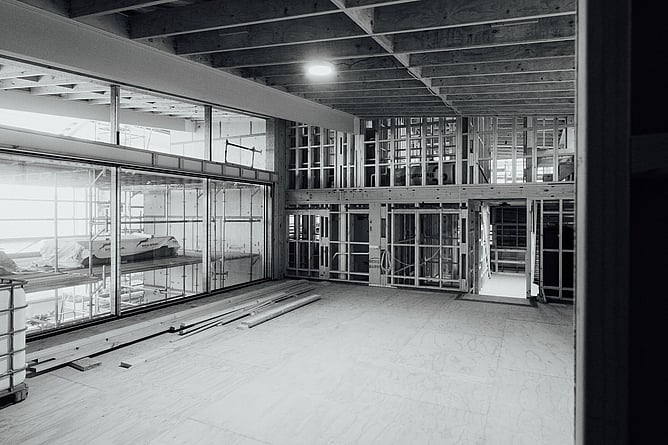
Where to start with renovating your home
Renovating your home is exciting, but the starting point can feel unclear.
You may know something needs to change. Maybe the kitchen feels cramped. Maybe the layout doesn’t flow the way your family lives today. Maybe you’re dreaming about open-plan living or better connection to the outdoors.
But most homeowners don’t begin with a fully formed plan.
They start with questions.
What’s actually possible with this house?
Can walls be removed?
Should we extend or reconfigure the space we already have?
Do we need an architect?
How long will it take?
These are exactly the conversations we have with clients every week.
You don’t need to have everything figured out before you begin.
In many cases, the best first step is simply to talk with an experienced builder who understands how homes work structurally and how thoughtful renovation design can transform a space.
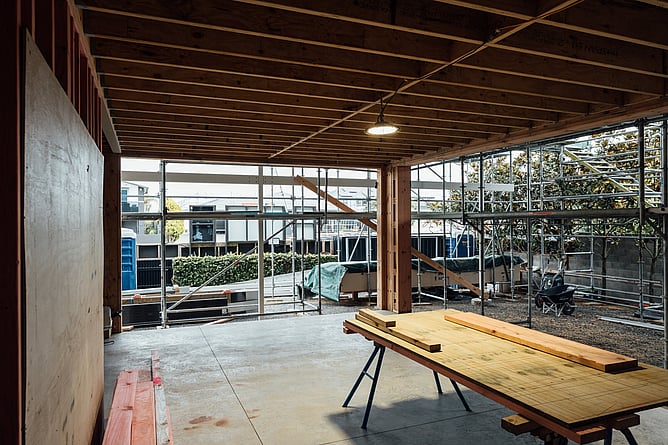
The first steps in planning a home renovation
If you’re thinking about renovating but don’t know where to begin, start here.
Think about how you want your home to feel and function.
Book a site visit with an experienced renovation builder.
Explore what’s possible within the structure of your existing home.
Decide whether redesigning the layout or extending the home makes the most sense.
Understand the consent process and project timeline early.
A site visit allows us to assess the space, discuss ideas, and guide you through the possibilities before you invest in detailed design work.
Why renovating often starts with questions rather than plans
Most homeowners begin a renovation project with ideas rather than detailed drawings.
You might have saved images on Pinterest. You might have walked through a friend’s renovation and thought, “I’d love something like that.” Or you might simply know your home isn’t working as well as it should.
Renovations are different from building a new home. Instead of starting with a blank canvas, you’re working with an existing structure. That structure shapes what can and can’t be done.
Understanding those possibilities early is where experience matters.
When we visit our clients’, we can walk through a home and quickly identify:
which walls may be structural.
where spaces can potentially open up.
how natural light can be improved.
how circulation through the home could be better.
These early insights help guide the direction of the renovation before detailed design begins.
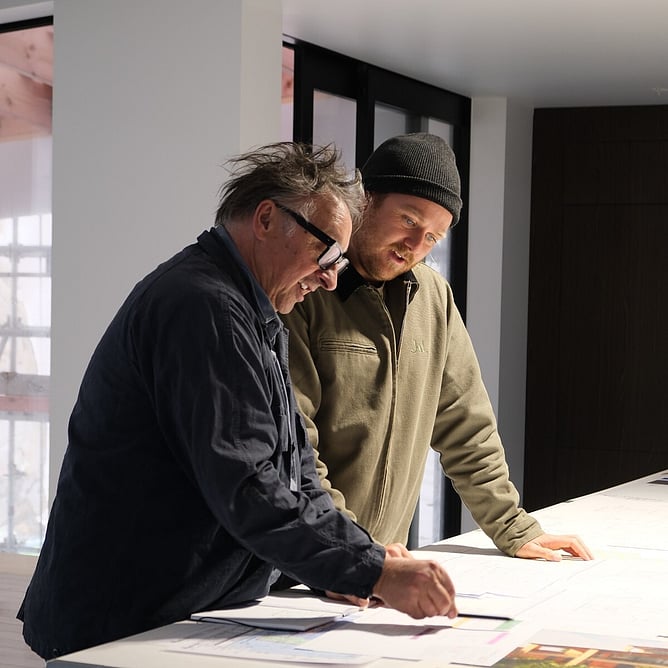
Do you need an architect before speaking to a builder?
Many homeowners assume they need to start with an architect.
In reality, that’s not always the most efficient first step.
Depending on the scope of your renovation, an architect may not be required at all. Some projects only need a designer or draughtsperson. Others can move forward using a collaborative design process guided by the builder.
Speaking with a renovation builder first often helps clarify:
how complex the renovation is likely to be.
whether architectural design is necessary.
what level of design input will deliver the best outcome.
At JKL, we can help our clients connect with the right designer or architect if the project requires it. That way the design work is aligned with the scope, budget, and vision from the beginning.
This approach avoids unnecessary complexity and helps the design process stay focused on practical outcomes.
Understanding what’s possible with your existing home
One of the most common questions we hear from homeowners is:
“Can we remove this wall?”
Often the goal is to create open-plan living or improve the connection between the kitchen, dining, and living areas.
Sometimes that’s straightforward. Other times the wall is structural and requires additional engineering.
But structural walls aren’t necessarily barriers to renovation. They simply require thoughtful design and the right construction approach.
Other possibilities we frequently explore during site visits include:
creating stronger indoor-outdoor flow with new doors.
repositioning windows to improve light and views.
reconfiguring internal layouts for better space use.
opening up previously closed rooms.
Every home is different, and the best ideas often come from walking through the space together and exploring how the house could work better.
Renovating smarter: improving the space you already have
Many renovation projects don’t require a larger footprint.
Often the most effective changes come from rethinking how you’re using the existing space.
For example, we often help homeowners:
open up living spaces by removing unnecessary walls.
reorient kitchens for better flow and connection.
combine underused rooms into larger functional spaces.
improve storage and circulation throughout the home.
These changes can transform the feel of a house without dramatically increasing the size of the building.
Thoughtful design and construction can make a home feel significantly larger simply by improving how the space works.
When extending the home makes more sense
In some cases, the existing layout simply can’t provide the space needed.
This is where extending the building footprint becomes the better option.
Extensions might include:
adding a larger living area.
expanding the kitchen and dining space.
adding extra bedrooms or bathrooms.
creating new indoor-outdoor living zones.
These projects require more detailed planning, and in many cases building consent will be required.
However, when done well, an extension can completely transform the lifestyle potential of your home.
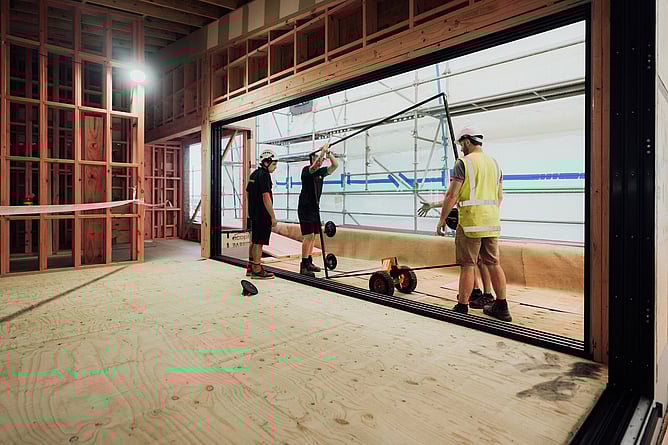
Windows, doors, and improving indoor-outdoor flow
One of the most powerful changes in a renovation often comes from adjusting openings.
Moving or adding windows and doors can dramatically change how a home feels.
It can:
bring more natural light into living spaces.
create better views from inside the home.
strengthen the connection to outdoor areas.
improve airflow and ventilation.
These decisions require careful consideration of structure, weatherproofing, and design.
But when they’re done well, they create spaces that feel brighter, more open, and more connected to the surrounding environment.
Do you need building consent for a renovation?
Many renovation projects require building consent from your local council, especially when structural changes are involved.
Examples include:
removing structural walls
building extensions
altering load-bearing elements
significant plumbing or drainage changes
The exact requirements depend on the scope of the project and the council where you live.
We can usually advise early on whether consent is likely to be required and guide you through the process to avoid delays later in the project.
How long does a renovation take?
Renovation timelines vary depending on the complexity of the project.
A smaller renovation may take a few weeks. Larger structural renovations or extensions may take several months.
What often surprises homeowners is that planning and design can take as long as the build itself.
This is why it’s helpful to start conversations early, even if the renovation won’t happen for a year.
Early planning allows time to:
refine the design
coordinate consultants if needed
manage consent requirements
schedule the build properly
Thoughtful planning almost always leads to a smoother construction process.
Can you live in your home during a renovation?
In many cases, yes.
However, it depends on how invasive the renovation is.
Smaller renovations that affect only part of the home can often be managed while the household continues living there.
Larger renovations that involve structural work, kitchens, or bathrooms may require temporary relocation for a period of time.
During a site visit, we can usually give a clear idea of what living arrangements might look like during construction.
Turning ideas and inspiration into a practical renovation plan
Many homeowners arrive with inspiration but aren’t sure how to translate it into their own space.
Pinterest boards, saved images, and renovation ideas are all useful starting points.
But every home has unique constraints and opportunities.
Part of our role is helping interpret those ideas and understand how they could work within the structure of your home.
Sometimes that means adapting ideas to suit the building. Other times it means discovering possibilities you hadn’t considered.
And if you don’t yet have a vision, that’s completely fine too.
Exploring the space together often helps those ideas emerge naturally.

Why an early site visit can save time and frustration
One of the most helpful things homeowners can do is arrange a site visit early in the process.
A site visit allows us to:
understand your goals for the home.
assess the structure and layout.
discuss possibilities and constraints.
suggest practical directions for the renovation.
These conversations often spark ideas you haven’t considered.
They also help shape a clearer vision for the future project.
There’s no pressure attached to these early conversations. They simply help you understand what your space could become.
The first step toward transforming your home
Renovating a home is about more than updating finishes or moving walls.
It’s about creating a space that works better for how you live today.
The best renovations begin with thoughtful conversations, careful planning, and a clear understanding of what’s possible.
That process often starts with a simple site visit.
Talk to us about your renovation project
If you’re thinking about renovating but aren’t sure where to begin, we’d be happy to walk through the possibilities with you.
We love meeting homeowners on site, exploring ideas together, and helping uncover the potential in a space.
Even if your renovation is still a future plan, starting the conversation early can help shape a better outcome.
Get in touch to book a free site visit and start exploring what your home could become.

Frequently asked questions about renovating your home
Frequently asked questions about renovating your home
No. Many renovation projects start with ideas rather than drawings. A site visit can help clarify what’s possible before moving into detailed design.
How early should I start planning a renovation?
Earlier than most people expect. Even if your renovation is one or two years away, early planning helps refine ideas and prepare for design and consent processes.
Can most homes be renovated into open-plan living?
Often yes, but it depends on the structure of the home. Structural walls may require beams or engineering solutions to create open spaces safely.
Is it always necessary to extend a home to create more space?
Not always. Many homes can feel significantly larger simply by improving the layout and removing unnecessary walls.
What should I bring to a renovation consultation?
Photos, inspiration images, or a Pinterest board can be helpful. But the most important thing is simply explaining how you want the space to feel and function.