People planning a new home often look ahead to understand where residential design is heading. In New Zealand, evolving lifestyle needs, sustainability considerations, and architectural innovation are shaping how modern homes are designed.
Looking ahead to 2026 home design trends, we’re seeing a growing interest in natural materials, flexible living spaces, and homes designed to perform well in the New Zealand climate.
For homeowners planning a new build or architectural renovation, these ideas offer inspiration for creating homes that feel thoughtful, functional, and built to last.
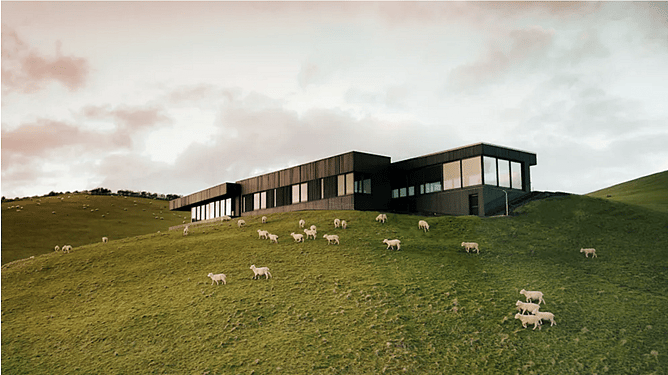
Natural Materials and Warm Minimalism
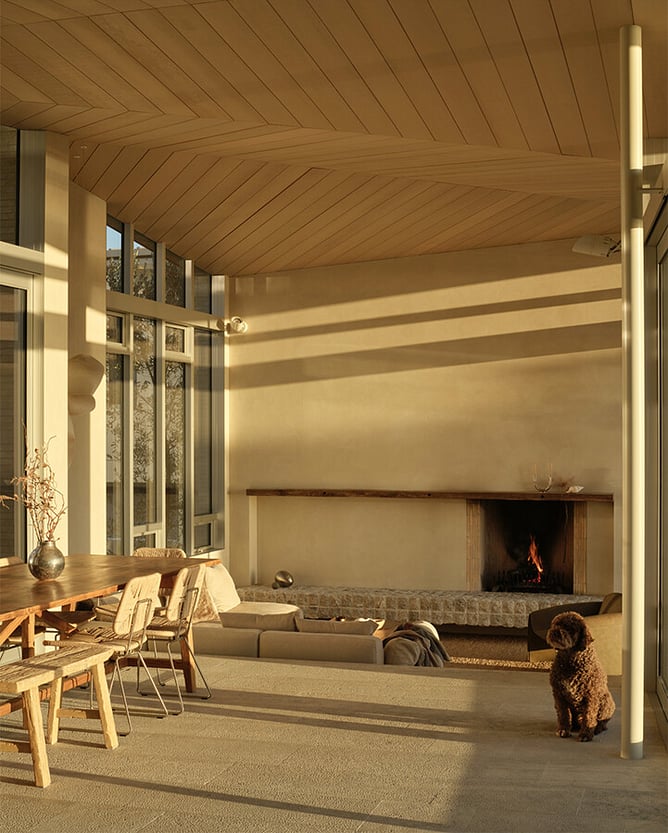
Timber, stone, and textured finishes are becoming more prominent in modern architectural homes.
Rather than ultra-minimal white interiors, many designers are embracing warm minimalism, combining clean architectural lines with natural materials that introduce depth and character.
Modern interiors are also moving away from spaces designed purely for aesthetics. Instead, many homeowners are prioritising rooms that feel comfortable and genuinely lived in. Layered textures, comfortable furnishings, and thoughtful styling help create interiors that feel welcoming rather than overly staged.
Natural materials such as timber, linen, wool, and stone contribute to this feeling, bringing warmth and authenticity to contemporary architectural homes.
Materials Defining This Look
Recycled or native timber features
Natural stone and textured plaster
Timber ceilings and feature walls
Earth-toned finishes
This approach aligns closely with sustainable building principles while creating homes that feel calm, grounded, and timeless.
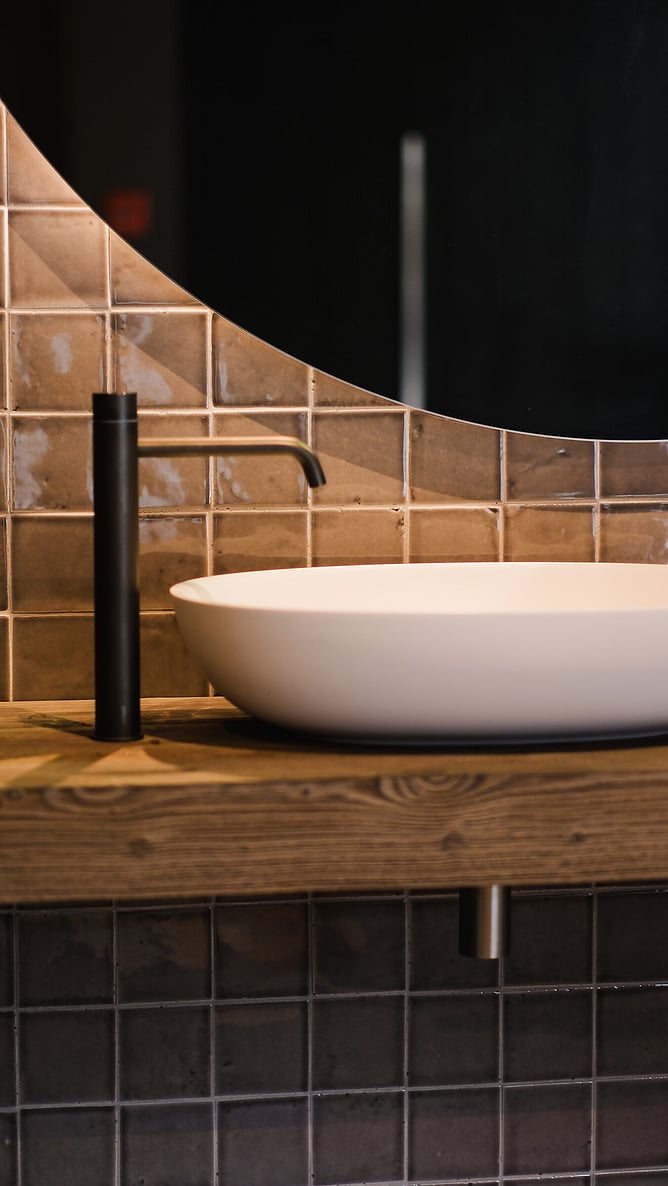
Layered Textures and Natural Finishes
Texture is becoming an important element in modern home design. Rather than relying on bold colours alone, many interiors are now built around subtle variations in materials and finishes.
Examples include:
Timber cabinetry or wall panels
Natural stone benchtops
Textured tiles or plaster finishes
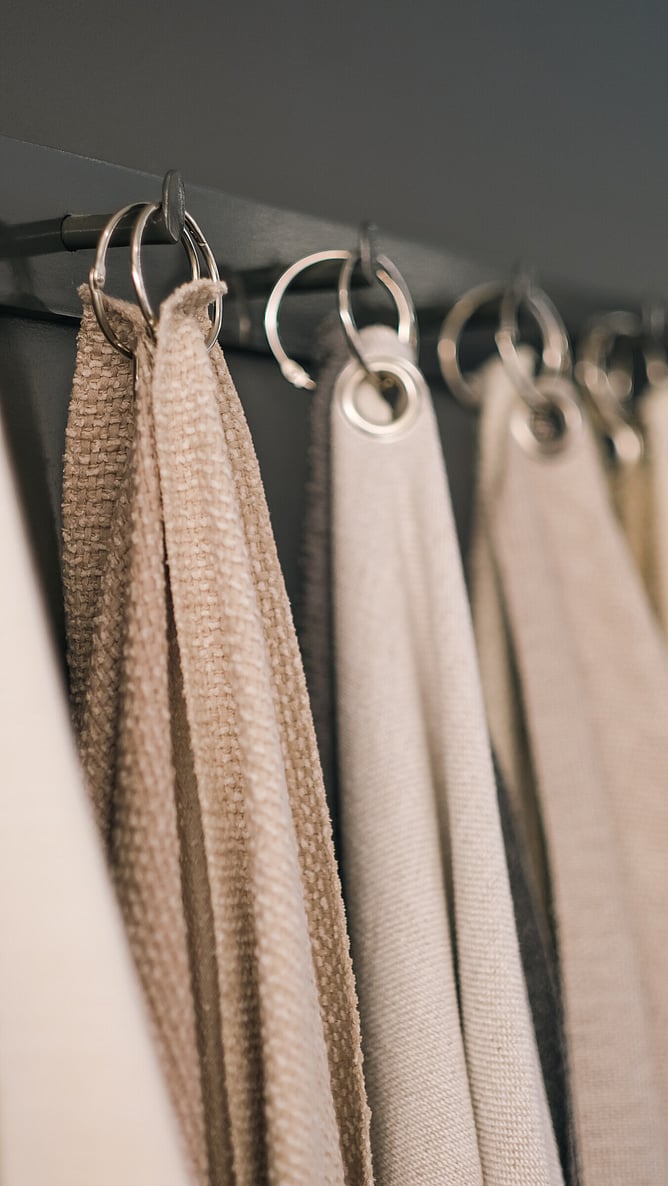
Linen or wool soft furnishings
Matte or brushed metal fixtures
Layering these materials creates depth and visual interest while maintaining a calm, cohesive aesthetic.
Calm and Timeless Colour Palettes
Colour trends for 2026 are moving toward softer, more adaptable palettes. Warm neutrals, muted greens, earthy tones, and soft greys are replacing stark whites and high-contrast interiors.
These palettes work well in architectural homes because they allow materials and natural light to take centre stage.
Choosing a timeless colour palette also allows homeowners to update furnishings and styling over time without needing to redesign the entire space.
Indoor Outdoor Living That Feels Seamless
Indoor-outdoor flow has long been an important feature of New Zealand homes, but newer architectural designs are integrating these spaces more deliberately.
Design Features Shaping This Trend
Large sliding or pocket doors
Covered outdoor living areas
Integrated outdoor kitchens
Landscaped courtyards
Rather than feeling like a separate deck area, outdoor spaces are now designed as a natural extension of the living environment. This approach aligns with the principles of biophilic design, where architecture intentionally connects interior spaces with the surrounding natural environment.
Many modern homes are also incorporating courtyard-style layouts or sheltered outdoor zones. Instead of simply opening toward a backyard, these spaces create protected outdoor rooms that bring natural light deeper into the home while maintaining privacy from neighbouring properties. Courtyards and garden pockets help strengthen the connection between indoor and outdoor areas, creating calm, sheltered spaces that can be enjoyed throughout the day.
Natural light, greenery, and organic materials help create homes that feel balanced and restorative.
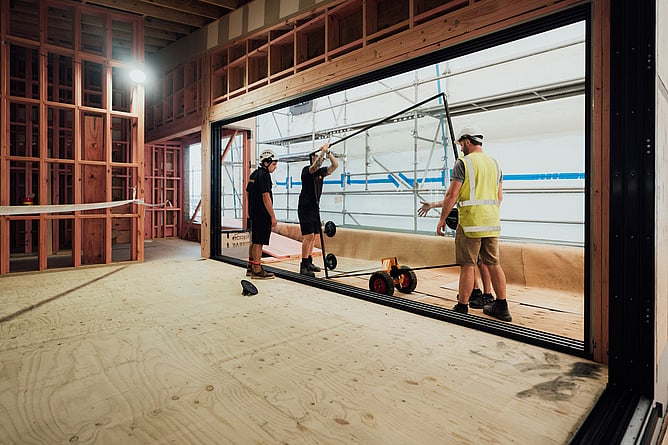
Sustainable and High-Performance Homes
Sustainability is moving beyond a design trend and becoming part of good building practice.
Key Features of a High-Performance Home
High-performance insulation
Passive solar orientation
Durable cladding materials
Low-toxicity interior finishes
Efficient glazing systems
As explored in our guide to sustainable building materials for modern NZ homes, thoughtful material selection plays a major role in both environmental impact and long-term performance.
Flexible Spaces for Changing Lifestyles
Homes are increasingly being designed to support multiple uses over time.
Flexible Space Ideas for 2026 Builds
Multi-purpose home offices
Guest rooms that double as workspaces
Adaptable living areas
Separate zones for teenagers or extended family
Designing with flexibility in mind allows homes to evolve alongside the people living in them.
Architectural Simplicity with High Attention to Detail
Modern architectural homes are becoming simpler in form while placing greater emphasis on detail.
Details That Elevate the Design
Clean rooflines
Carefully selected material palettes
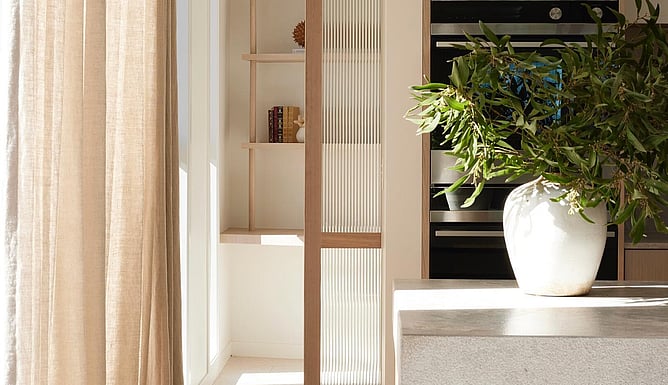
Precisely detailed joinery
Hidden doors and flush finishes
These subtle details contribute to homes that feel refined and thoughtfully designed.
Designing for the New Zealand Environment
Homes in Tauranga and the wider Bay of Plenty must respond to local conditions, including coastal air, strong sunlight, and changing seasonal temperatures.
Key Environmental Considerations
Sun orientation
Natural ventilation
Durable exterior materials
Outdoor living areas that provide shelter from weather
Designing with these conditions in mind helps ensure homes remain comfortable, efficient, and low-maintenance over time.
Looking Ahead
Home design trends continue to evolve, but the most successful homes focus on longevity- thoughtful layouts, durable materials, and design decisions that will still feel right many years from now.
For homeowners planning an architectural build in Tauranga or the wider Bay of Plenty, understanding emerging design directions can help shape a home that feels both contemporary and timeless.