Sustainability is becoming an important consideration for homeowners across New Zealand. Whether it’s reducing energy use, improving indoor air quality, or building homes that perform well long-term, more people are researching sustainable building in NZ before starting their new build.
For some sustainability, is about durability and energy efficiency. For others, it’s about the environmental impact of how materials are produced, the carbon footprint of manufacturing, the use of recycled materials, and reducing exposure to chemicals inside the home.
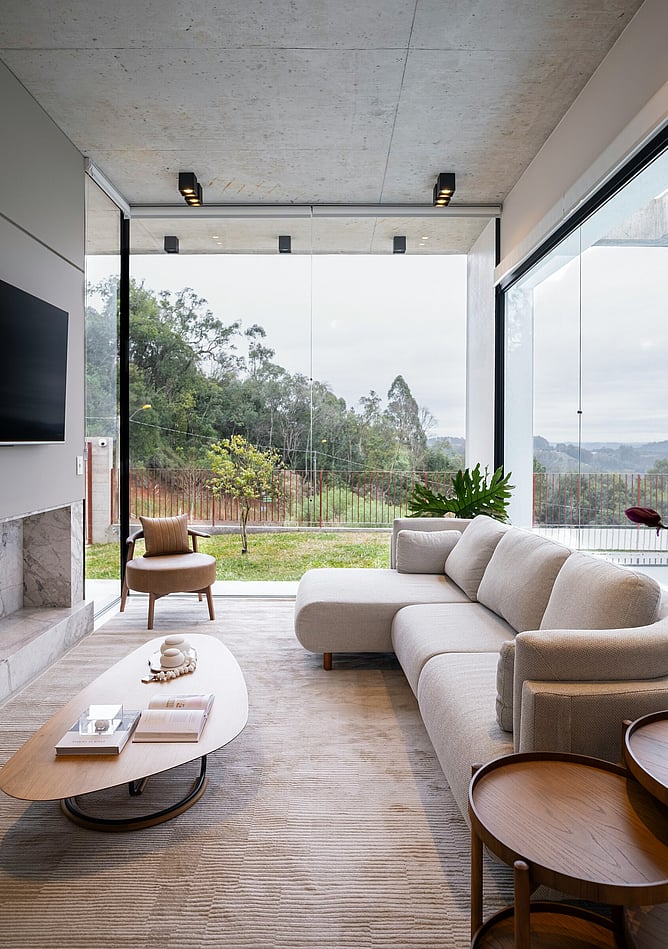
Image of: Sustainable architectural home built with eco-friendly materials in New Zealand
Why Sustainability Matters in NZ
New Zealand homes face unique environmental conditions. High UV exposure, coastal air in areas like Tauranga and Mount Maunganui, and changing seasonal temperatures all influence material performance.
Good sustainable design considers:
Orientation for passive solar gain
Efficient glazing and shading
Insulation performance
Durable, low-maintenance materials
Reduced long-term environmental impact
Homeowners are becoming more aware of the materials used in their homes. Modern construction typically combines natural materials with engineered products to meet today’s durability and performance standards.
The shift isn’t about avoiding these materials altogether. It’s about understanding the options and making thoughtful choices where alternatives are available.
Choosing more environmentally responsible materials can offer both environmental and practical advantages.
Energy Performance
High-quality insulation, efficient glazing, and considered design reduce heating and cooling demand. Over time, this lowers running costs and improves comfort.
Healthier Indoor Environments
Low-VOC (volatile organic compounds) paints, adhesives, and finishes reduce airborne pollutants inside the home. Natural insulation materials such as wool can also improve moisture regulation.
Reduced Environmental Impact
Recycled timber, responsibly sourced materials, and lower-carbon products reduce embodied energy, the energy used to produce and transport materials.
Long Term Value
Homes built with durable, well-considered materials tend to age better and require fewer major interventions over time.
Sustainability is not about one “eco product.”
It’s about a series of small, informed decisions.
Popular Sustainable Building Materials in NZ
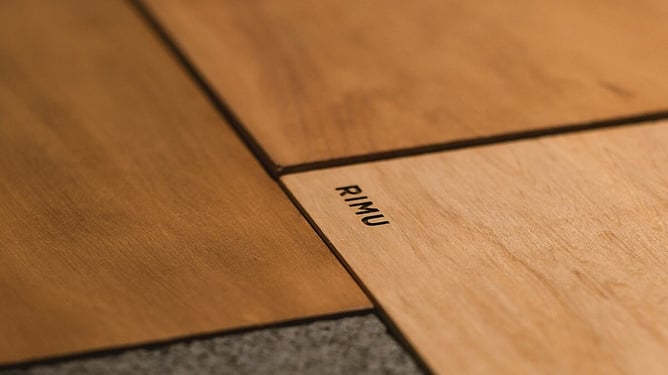
Recycled or Responsibly Sourced Timber
In New Zealand, timber is more than a building material, it’s part of our landscape and architectural identity. Choosing recycled or responsibly sourced timber is one of the most visible ways to integrate sustainability into a home.
Recycled native timbers such as Rimu, Kauri, and Matai are highly valued for their richness, grain variation, and sense of history. Often salvaged from older buildings or carefully re-milled, these timbers reduce demand for new harvesting while giving existing materials a second life. When properly prepared, reclaimed timber offers durability alongside character that new materials simply can’t replicate.
Sustainability also includes responsibly managed new-growth species such as certified New Zealand Beech, which offer a clean, contemporary aesthetic well suited to modern architectural homes. In NZ, native timber is carefully managed, and working with certified suppliers helps ensure responsibly sourced options align with both environmental responsibility and design intent.
In architectural homes across Tauranga and the wider Bay of Plenty, timber is rarely just structural, it often becomes a defining feature. Whether integrating recycled native timber as a focal point or selecting sustainably sourced new-growth species, thoughtful timber choices allow sustainability and craftsmanship to reinforce the overall design intent of the home.
Timber selection doesn’t just influence interior features, it also plays an important role in outdoor spaces such as decks and landscaping elements. Choosing durable, responsibly sourced timber for these areas can help extend the lifespan of the structure while reducing the need for frequent replacement. If you’re exploring timber options for outdoor areas, our guide to choosing the best decking material in New Zealand compares pine and hardwood decking options and explains how different timber species perform in New Zealand conditions.
Natural Insulation options in NZ

Wool Insulation
Natural insulation materials such as sheep’s wool and hemp are gaining attention in eco-friendly building projects, particularly in New Zealand.
In our climate, insulation performance is one of the most important sustainability decisions you can make. Good insulation reduces energy demand, improves comfort year-round, and supports long-term building efficiency.
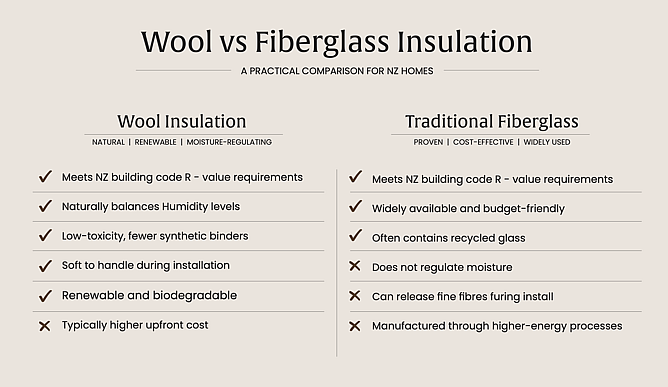
Wool insulation uses natural sheep wool, a renewable fibre that is widely available in Aotearoa. Compared to many synthetic insulation products, wool is biodegradable and typically lower in embodied energy. It also supports local industry, keeping production closer to home.
Beyond sustainability, wool is valued for its ability to help manage moisture within wall cavities and roof spaces. Its natural breathability can contribute to a more stable indoor environment, which is an important consideration in well-sealed modern homes.
Hemp Insulation
Alongside wool, hemp is another natural material gaining attention in sustainable building. While wool is currently more established and readily available in New Zealand, hemp-based insulation and hempcrete systems are steadily developing as interest in low-impact construction grows.
Hemp offers strong sustainability credentials. It is a fast-growing crop, absorbs significant carbon during cultivation, and can be processed into insulation or combined with lime to create breathable wall systems. Like wool, hemp is valued for its ability to regulate moisture and contribute to a healthier indoor environment without relying heavily on synthetic additives.
In New Zealand, hemp construction products are still emerging, with local processing infrastructure continuing to develop. As supply chains expand and knowledge around natural building systems grows, hemp is likely to become a more accessible option for eco-conscious architectural builds.
For homeowners exploring natural insulation solutions, wool remains the more readily available choice today, but hemp is a material worth watching as sustainable building in NZ continues to evolve.
Low-VOC and Low-Toxicity Finishes
Paints, sealants, carpets, adhesives, and cabinetry finishes can release volatile organic compounds (VOCs) into the air over time. Because we spend much of our lives indoors, these material choices directly influence indoor air quality and overall comfort.
Selecting low VOC products is a practical way to reduce unnecessary chemical exposure within the home. Today, many lower emission options are available that maintain durability, colour depth, and finish quality, making it possible to prioritise indoor wellbeing without compromising design.
In architectural builds, finish selection sits alongside insulation, ventilation, and material specification as part of a broader performance conversation. For clients who wish to explore lower-toxicity options, these choices can be thoughtfully integrated into the overall design intent from the outset.
Balancing Sustainability With Real-World Construction
While a sustainable, eco-friendly home requires careful planning, it can be achieved with the right design decisions, considered product selection, and close collaboration. As a bespoke architectural builder, JKL works closely with clients who want to explore these possibilities in depth, tailoring material choices to suit both their values and the realities of the site.
This thoughtful approach to building has been shaped by founder Kalem Uttinger’s hands-on background in architectural construction and design. You can read more about his journey in Kalem Uttinger’s Founder Story.
Sustainable building in NZ often comes down to making informed, intentional choices, such as:
Selecting high-performance insulation suited to the site
Prioritising durable materials for coastal or high-exposure environments
Reducing unnecessary chemical exposure where practical
Choosing recycled or responsibly sourced materials
Considering alternative products where budget and design allow
For some clients, the goal is balance. For others, it’s pushing further toward natural, low-toxicity or environmentally driven construction.
Choosing the Right Materials for Your Build
We love talking to our customers about the vision they have for their home, what materials they want to use to suit how they live.
Not every sustainable product suits every site or budget. The key is balancing:
Performance
Cost
Durability
Climate exposure
Architectural design
For example, a coastal Bay of Plenty build may require materials that prioritise corrosion resistance alongside environmental performance.
Sustainable building in NZ is most effective when considered early in the design process. Working with a builder who understands both architectural design and construction realities ensures these choices are practical, cohesive, and well executed.

Real-World Sustainable Builds
Many modern architectural homes incorporate sustainable principles without looking “eco” or experimental.
Common strategies include:
Smart orientation for passive heating
Efficient glazing systems
Durable cladding materials
High-performance insulation
Thoughtful landscaping integration
At JKL Architectural Builders, sustainability is approached as part of good building practice, creating homes that perform well long-term and feel comfortable year-round.
Building for the Future
Sustainable building in New Zealand is about long-term thinking, reducing running costs, improving comfort, and building homes that age well in our climate.
If you’re planning a new architectural home or renovation in Tauranga or the wider Bay of Plenty and want to explore sustainable building materials, JKL Architectural Builders can help guide the process from early concept through to completion.
Because sustainability isn’t about trends. It’s about building well.