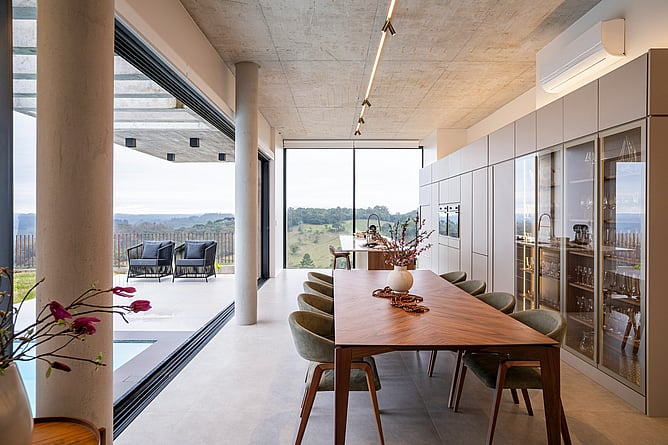
Building your own home is one of the most exciting projects you can take on.
It’s the opportunity to create a space that reflects how you live, what you value, and the lifestyle you want for the future.
But before construction begins, there’s a lot that needs to happen behind the scenes.
Choosing the right section, understanding the site, designing the home, navigating council requirements, and assembling the right team all come well before the first foundations are poured.
When these early steps are handled thoughtfully, the building process becomes far smoother and the end result is a home that feels considered, well-designed, and built to last.
In this guide we’ll walk through the key things to think about when you’re starting the journey of building your own home.
Start with the vision for how you want to live
Most people begin building a home because they want something that simply doesn’t exist on the market.
You may want a home designed around entertaining.
A layout that captures coastal views.
Or a private retreat that feels connected to the landscape.
Starting with how you want the home to function helps shape every decision that follows.
Think about:
How you want your indoor and outdoor spaces to connect.
Whether you want open-plan living or more defined spaces.
How many bedrooms and living areas your household needs.
Whether future flexibility is important.
These lifestyle decisions form the foundation for the design.
A well-designed home begins with understanding how you want to live in the space.

Choose the right land or understand the section you already have
Sometimes clients come to us with land already secured. Other times they’re still searching for the right section.
Either way, the characteristics of the site play a huge role in what can be built.
Things to consider include:
The slope or topography of the site.
Access for construction.
Views and surrounding properties.
Existing services such as water, sewer, and stormwater.
Council planning rules that apply to the property.
Understanding the site properly allows the design of the home to respond to the land rather than working against it.
Position the home to capture sunlight, views, and privacy
One of the biggest advantages of building a new home is the ability to position it carefully on the site.
Orientation can dramatically influence how the home feels to live in.
Thoughtful positioning can:
Maximise natural light throughout the day
Capture the best views from key living areas
Create privacy from neighbouring homes
Improve the home's energy efficiency
For example, living spaces are often positioned to capture northern sunlight in New Zealand, while bedrooms or utility spaces can be located in areas that receive less direct light.
These decisions are made early in the design process and have a lasting impact on how comfortable and enjoyable the home feels.
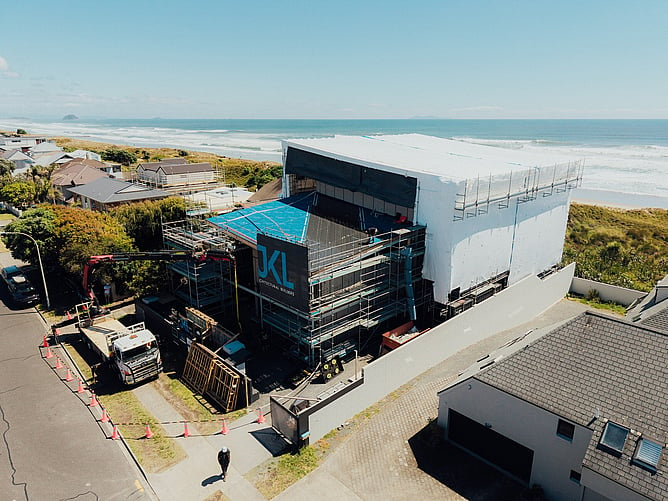
Understand the site constraints and council requirements
Every section has a set of planning rules and physical constraints that influence what can be built.
These might include:
Daylight recession planes
Boundary setbacks
Height restrictions
Stormwater management requirements
Wastewater connections
Access requirements for services
There may also be geotechnical considerations depending on the soil conditions or slope of the site.
Understanding these factors early allows the design team to work within the rules and avoid costly redesigns later.
This is one of the reasons why early collaboration between builder, designer, and consultants can be so valuable.
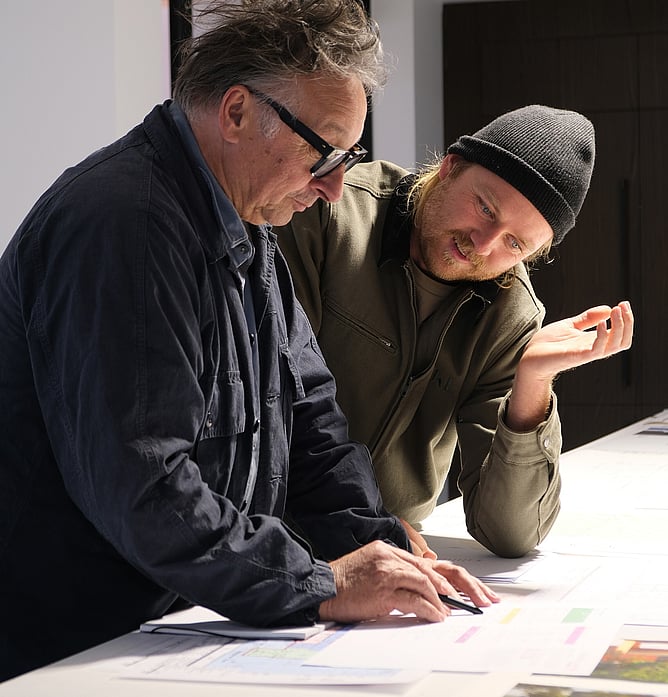
Work with the right designer or architect
The design stage is where your ideas begin to take shape.
Some projects require an architect, while others are well suited to an experienced architectural designer. The right choice often depends on the complexity of the project, your design goals, and the budget.
At this stage the design team will:
Develop the layout and form of the home
Respond to the site conditions
Refine the architectural style
Prepare plans required for consent
Choosing a designer whose style aligns with your vision is important.
Many of our clients appreciate having guidance when selecting a designer, especially if they’re building for the first time.

Complete the technical work before construction
Once the design is developed, several technical steps need to happen before construction can begin.
These may include:
Geotechnical testing of the soil
Structural engineering design
Drainage and stormwater planning
Energy efficiency considerations
Building consent documentation
This information forms part of the building consent application submitted to the local council.
While it can feel like a lot of work before construction begins, this stage ensures the home is designed and engineered correctly before any physical work starts.
A well-prepared project usually results in a smoother building process.
Plan materials and the level of finish
Material choices play a significant role in the longevity, appearance, and performance of your home.
For many architectural homes, the goal isn’t simply to choose what is easiest or cheapest to source. Instead, the focus is on selecting materials that support the overall design and will stand the test of time.
This might include:
Natural or sustainable materials
Custom or bespoke finishes
Imported fixtures or architectural elements
High-quality cladding systems or interior finishes
Material selection contributes to both the aesthetic and long-term durability of the home.

Understand the building consent process
Before construction begins, the project must receive building consent from your local council.
This process confirms that the proposed home meets New Zealand building code requirements.
The consent documentation typically includes:
Architectural drawings
Structural engineering details
Site and drainage plans
specifications for building materials
Approval timelines vary depending on the complexity of the project and council workload.
While this stage can take time, it ensures the home is safe, compliant, and ready to be built properly.
Know that timelines can vary
One of the most common questions people ask when building is how long the process will take.
The honest answer is that it depends on the project.
Several factors influence timelines:
The complexity of the design
Site conditions
Council consent timeframes
Material availability
Weather during construction
A well-planned project with strong coordination between the builder, designer, and trades typically runs far more smoothly than one where these relationships are fragmented.
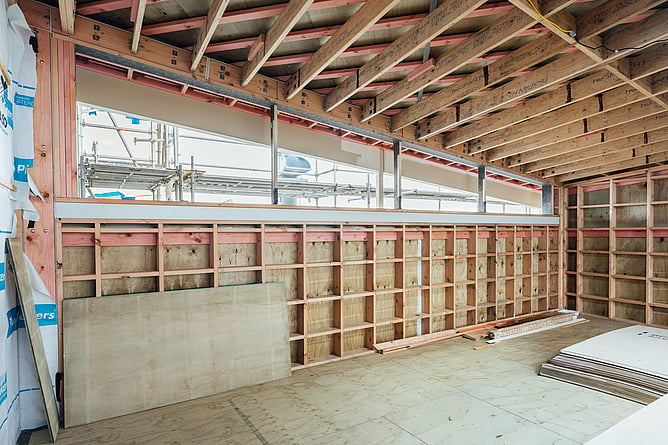
Why working with a builder early can make the process easier
Many people assume they should only involve a builder once the design is finished.
In reality, engaging a builder earlier often leads to better outcomes.
As experienced builders, we can help:
Assess the suitability of a section before purchase.
Provide practical insight during the design stage.
Coordinate consultants such as engineers and geotechnical specialists.
Manage the consent and construction process.
Bring together the right trades and suppliers.
Having one team guiding the process from early planning through to construction helps make sure decisions are aligned and the project stays on track.
Creating a home that is truly yours
Building a home from the ground up gives you the freedom to create something unique.
The best architectural homes aren’t rushed or built from generic plans. They’re shaped by the land, the lifestyle of the people living there, and careful attention to detail.
When the right team is involved from the start, the process becomes clearer and far more enjoyable.
It’s not simply about building a house.
It’s about creating a home that feels considered, intentional, and designed specifically for the way you live.
Start the conversation about your new home
If you’re thinking about building your own home, the best place to start is with a conversation about your site, your ideas, and what you want the finished home to become.
At JKL Architectural Builders, we often begin by visiting the site and talking through what’s possible. From there we can help connect you with the right designers, coordinate the technical work, and guide the project through the many steps that happen before construction begins.
If you’d like to talk about your plans, get in touch to arrange a free site visit or give us a call for an initial chat about your project.
FAQs about building your own home
When should I talk to a builder when planning a new home?
Ideally, you should involve a builder early in the process. We can help assess the site, guide design decisions, and ensure the project is practical to build before plans are finalised.
Do I need to buy land before designing my home?
Not always. Some people start by securing land, but others work with a builder or designer to identify suitable sections that support the type of home they want to build.
How long does it take to build a house in New Zealand?
Timelines vary depending on the complexity of the project, council consent timeframes, and site conditions. The planning and design phase can take several months before construction begins.
Do I need an architect to design my home?
Some projects benefit from an architect, while others work well with an experienced architectural designer. The right option often depends on the design complexity and your overall goals.
What happens before construction begins?
Before building starts, the project typically goes through design development, engineering work, geotechnical testing, and the building consent process. These steps ensure the home is designed and approved correctly.