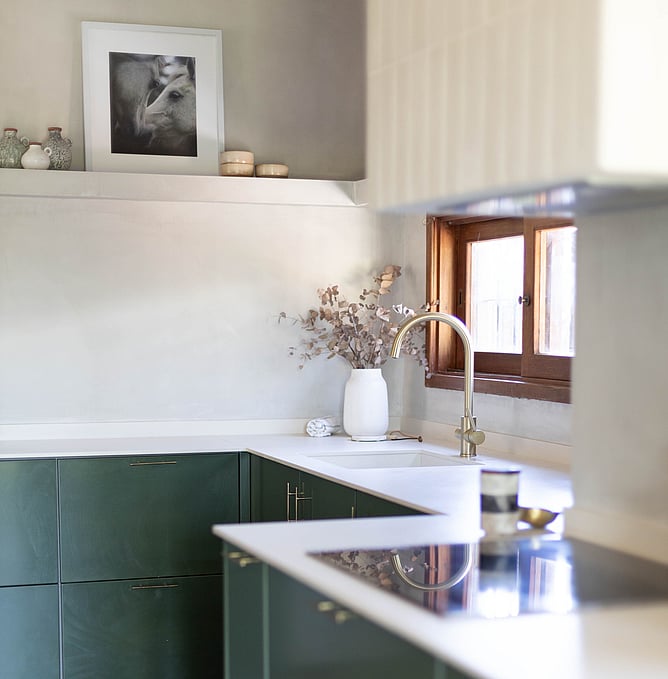
How to modernise an older home without losing its character
Many homeowners are drawn to older homes for their charm, craftsmanship, and personality.
The timber detailing. The unique architectural features. The sense of history and character.
But while older homes often have plenty of appeal, they can also come with challenges that don't suit the way modern families live.
Closed-off rooms, poor insulation, outdated kitchens, limited storage, ageing materials, and inefficient layouts can make everyday life less comfortable than it should be.
However, with thoughtful design and quality construction, an older home can be transformed into a space that supports modern living while retaining the character that made you fall in love with it in the first place.
Why many homeowners choose to renovate rather than rebuild
For many homeowners, the decision to renovate comes down to preserving what makes the property unique.
Older homes often feature architectural details, craftsmanship, and materials that are difficult to replicate today. They may also occupy established sites with mature landscaping, desirable locations, or a connection to family history.
A well-planned renovation allows you to retain those qualities while addressing the practical limitations that have developed over time.
Rather than replacing the home, you're building on its strengths.
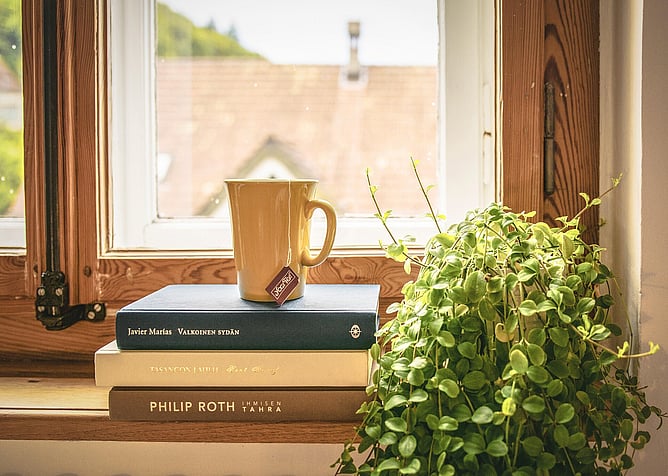
How to modernise an older home while preserving its character
One of the biggest mistakes we see homeowners and less experienced builders make is trying to erase everything that came before.
The most successful renovations respect the original architecture while introducing modern features that improve how the home functions.
This might include:
Retaining original timber features.
Preserving distinctive rooflines or exterior detailing.
Restoring heritage elements.
Incorporating contemporary materials that complement the existing design.
Updating finishes while maintaining the home's overall character.
When old and new are carefully balanced, the result often feels more sophisticated, timeless and authentic.
Improving layout and flow for modern family living
Many older homes were designed for a very different way of living.
Separate formal dining rooms, small kitchens, narrow hallways, and disconnected living spaces were once common and fashionable.
Today's homeowners often want the opposite.
Nowadays, open-plan living areas, stronger connections between indoor and outdoor spaces, better natural light, and layouts that support family life and entertaining are more desirable.
One of the most valuable improvements you can make is rethinking how the spaces work together.
By removing unnecessary barriers and improving circulation throughout the home, it's often possible to create a completely different living experience without dramatically changing the overall footprint.
A thoughtful redesign can make a home feel larger, brighter, and more functional without losing its original character.
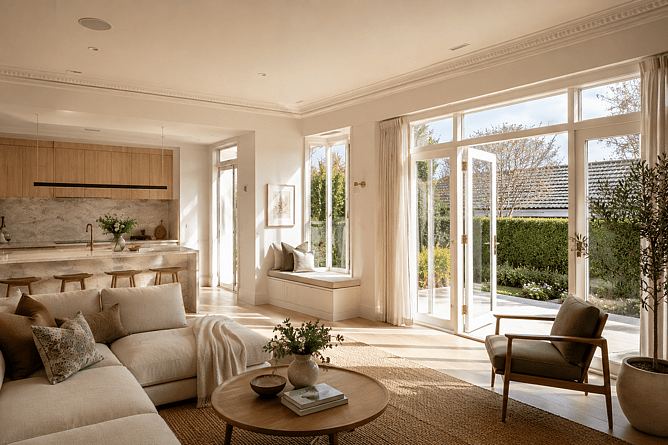
Where to invest your renovation budget
Every renovation is different, but some upgrades consistently deliver strong long-term value.
Kitchen renovations
The kitchen remains one of the most important spaces in any home. Updating an outdated kitchen can dramatically improve both functionality and visual appeal.
Bathroom upgrades
Modern bathrooms improve comfort, usability, and overall property presentation.
Living and entertaining spaces
Creating better connections between living areas and outdoor spaces can significantly enhance everyday living.
Structural improvements
Addressing ageing materials, foundations, roofing, or weather-tightness issues protects the long-term performance of the home.
Energy efficiency upgrades
Improving insulation, glazing, and heating systems increases comfort while reducing ongoing energy costs.
The best investment is often the one that improves how you live in the home every day.
Improving energy efficiency and comfort in an older home
Many older homes were built before modern energy efficiency standards existed.
As a result, they can be cold in winter, hot in summer, and expensive to heat.
Modernisation provides an opportunity to improve performance without compromising aesthetics.
Depending on the property, improvements may include:
Upgraded insulation
Double glazing
Improved heating and ventilation systems
Better sealing against drafts
Energy-efficient lighting and appliances
Adding underfloor heating to certain areas
These upgrades can make a significant difference to comfort while helping the home perform more efficiently year-round.
Common challenges when renovating older homes
Older homes can sometimes reveal surprises once work begins.
Previous alterations, hidden damage, outdated building methods, or structural issues may not become apparent until walls and floors are opened up.
This is why early planning is so important.
A thorough assessment of the property helps identify potential risks before construction begins and allows more informed decisions to be made throughout the project.
Working with experienced builders, architects, and consultants can help minimise disruptions and ensure challenges are managed effectively when they arise.

Should you renovate or rebuild?
This is one of the most common questions we get asked.
And our answer is that it usually depends on the condition of the existing home, your goals, your site, and how much of the original structure you wish to retain.
In many cases, renovating can deliver the best of both worlds.
You keep the character, location, and unique features that attracted you to the property while gaining the comfort, functionality, and performance expected from a modern home.
However, there are situations where rebuilding may provide a better long-term outcome.
The right decision can only be made after carefully assessing the property and understanding your vision for the future.
Why planning and the right team matter
Successful renovations are rarely the result of good luck.
They are the result of careful planning, thoughtful design, and experienced professionals working together from the outset.
Older homes often require a higher level of consideration than new builds because every decision must balance preservation with improvement.
At JKL Architectural Builders, we work closely with homeowners, architects, designers, and specialist trades to create renovations that feel considered, cohesive, and built to last.
Our focus is always on understanding how you want to live and ensuring every building decision supports that vision.
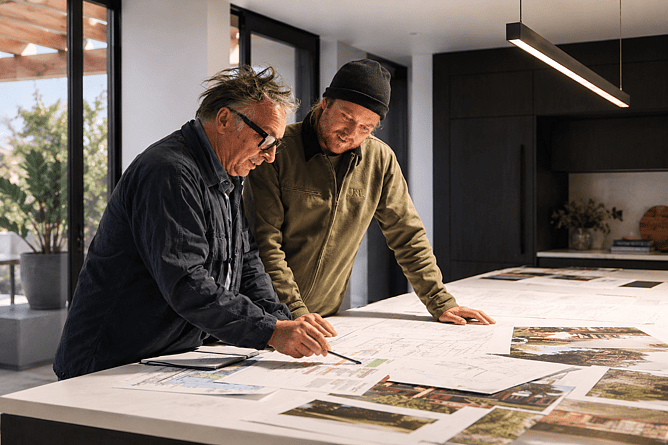
Bringing new life to an older home
A well-executed renovation can completely transform the way an older home looks, feels, and functions.
The right improvements can increase comfort, improve energy efficiency, create better flow, and add significant long-term value, all while preserving the character that makes the home unique.
If you're considering modernising your older home, we'd love to help you explore the possibilities.
Talk to us about your renovation
Whether you're updating a single area or planning a complete transformation, JKL Architectural Builders can help you create a home that honours its past while supporting the way you live today.
Frequently asked questions
How long does it take to renovate an older home?
The timeframe depends on the scale and complexity of the project. Minor renovations may take several months, while larger architectural renovations can take considerably longer once design, consent, and construction phases are included.
Can I stay in my home during the renovation?
In some cases, yes. However, larger renovations often require homeowners to move out temporarily to ensure safety, efficiency, and construction quality.
Do older homes require building consent for renovations?
Many renovation projects require building consent, particularly when structural changes, plumbing, drainage, or significant alterations are involved. Your builder and design team can advise on the requirements for your project.
What should I do before speaking with a renovation builder?
Start by thinking about how you want your home to function in the future. Consider what's currently not working, which features you want to keep, and what improvements would have the greatest impact on your lifestyle.