Eco-Friendly Building Materials for Your Home
Building or renovating a home involves hundreds of decisions.
For many homeowners, sustainability is becoming an increasingly important part of that process. They want to create a beautiful home that supports their family's health, reduces environmental impact, and stands the test of time.
Eco-friendly building materials and products have come a long way. Today's sustainable building materials often perform just as well as traditional alternatives, and in some cases, they can deliver better long-term outcomes for comfort, durability, and energy efficiency.
At JKL Architectural Builders, we regularly help clients explore sustainable options that align with their goals, lifestyle, and budget. Every project is different and, in many cases, can deliver even better long-term outcomes for comfort, durability, and energy efficiency.
Quick answer: Are eco-friendly building products worth considering?
In many cases, yes.
Eco-friendly building materials can help create a healthier indoor environment, improve energy efficiency, reduce waste, and lower the long-term environmental impact of a home.
While some sustainable products may have a higher upfront cost, they can often provide long-term benefits through durability, reduced maintenance, improved comfort, and lower energy use.
The key is selecting the right products for your specific project rather than assuming every "green" product is automatically the best choice.
Why more homeowners are choosing sustainable building materials
Many people initially explore sustainable building products because they care about the environment.
But environmental impact is only part of the story.
Homeowners are increasingly interested in how building materials affect everyday living. The products used throughout a home can influence indoor air quality, thermal comfort, moisture control, and overall wellbeing.
For families spending more time at home than ever before, these factors matter.
Sustainable building choices can also contribute to a home that performs better over the long term, creating a more comfortable living environment while reducing ongoing resource consumption.
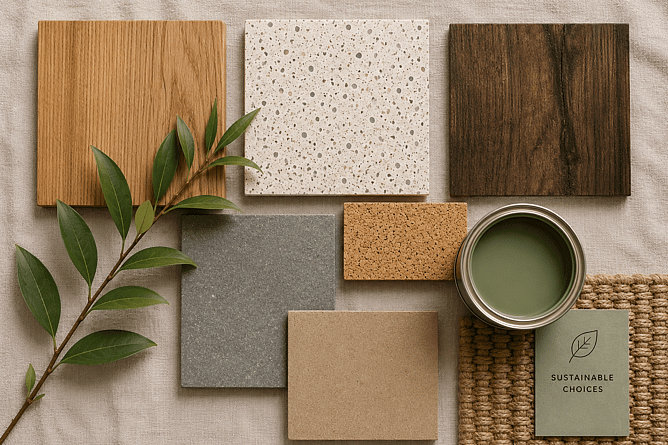
What eco-friendly building materials are available?
Sustainability can be considered across almost every stage of a build or renovation.
Some common areas where eco-friendly alternatives are available include:
Low-VOC paints and finishes
Traditional paints, stains, and finishes can release volatile organic compounds (VOCs) into the air.
Low-VOC and natural alternatives help reduce indoor air pollution and can improve air quality inside the home.
Sustainable timber products
Timber sourced from responsibly managed forests can be an excellent renewable building material.
Certified timber products help ensure forests are managed sustainably while providing the warmth and character many homeowners value.
High-performance insulation
Effective insulation is one of the most impactful sustainability investments available.
Improved insulation helps regulate indoor temperatures, reducing the energy required for heating and cooling throughout the year.
Energy-efficient windows and glazing
Double glazing and high-performance window systems can significantly improve thermal performance and comfort.
These products help reduce heat loss in winter and minimise overheating during summer.
Recycled and reclaimed materials
Many projects we build can incorporate recycled timber, reclaimed materials, recycled steel products, or recycled-content building products.
These options help reduce demand for new raw materials while often adding unique character to a home.
Water-saving products
Low-flow fixtures, efficient tapware, rainwater collection systems, and water-efficient landscaping solutions can all contribute to a more sustainable home.
Do eco-friendly building materials cost more?
This is one of the most common questions homeowners ask.
The answer is sometimes.
Some sustainable products have a higher upfront cost than conventional alternatives. Others are now priced very similarly due to growing demand and wider availability.
Rather than focusing solely on the initial purchase price, it's important to consider the whole-life value of a product.
A material that lasts longer, requires less maintenance, improves energy efficiency, or contributes to a healthier home may provide greater value over time than a cheaper alternative.
When evaluating options, we help clients balance upfront investment with long-term performance and lifestyle benefits.
How local sourcing can reduce environmental impact
Sustainability is about more than the product itself.
Where a product comes from can also influence its environmental footprint.
Locally sourced materials often require less transportation, resulting in lower emissions throughout the supply chain.
Shorter supply chains can also improve reliability, reduce delivery times, and support local businesses and manufacturers.
When suitable local products are available, they can be an excellent option for homeowners looking to reduce the overall environmental impact of their project.
Reducing construction waste during your build
Sustainable building isn't only about the materials that go into a home.
It's also about how waste is managed throughout the construction process.
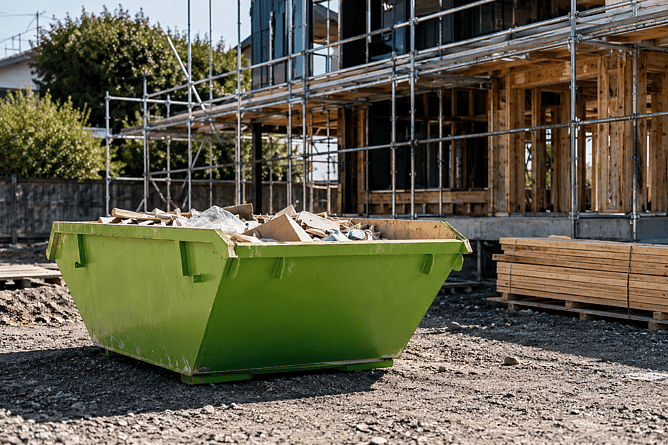
At JKL Architectural Builders, we actively look for opportunities to reuse and recycle building materials wherever possible.
We work with Green Gorilla, a waste management provider with dedicated sorting facilities that help divert significant volumes of construction waste away from landfill.
Their commercial and construction waste streams achieve landfill diversion and recycling rates of approximately 70-80%.
By carefully managing waste throughout a project, we can help reduce environmental impact while supporting more responsible building practices.
Choosing sustainable products that suit your project
Not every eco-friendly product is the right fit for every home.
The best solution depends on your design goals, site conditions, performance requirements, budget, and personal priorities.
A successful sustainable home balances environmental considerations with practicality, longevity, comfort, and architectural quality.
That is why thoughtful planning and product selection matter.
At JKL, we work closely with homeowners, architects, and suppliers to identify solutions that align with the vision for the home while delivering long-term value.
Building for the future
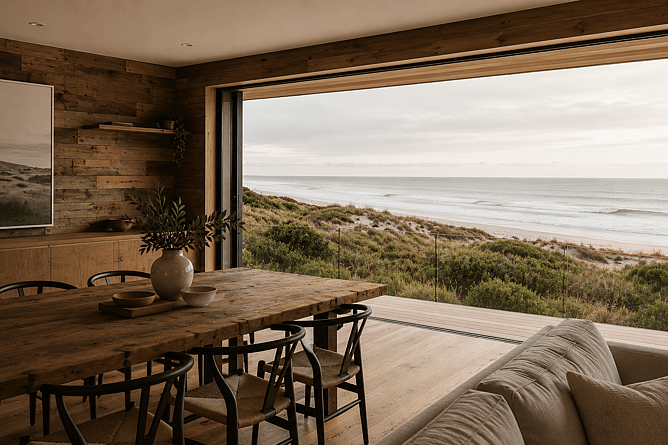
Sustainability is rarely about making a single perfect decision.
It's about making a series of thoughtful choices throughout the design and construction process.
Whether that involves selecting healthier materials, improving energy efficiency, reducing waste, sourcing locally, or incorporating sustainable building products, every decision contributes to the overall performance of the home.
The result is often a home that feels better to live in, performs more efficiently, and reflects the values of the people who live there.
Talk to us about sustainable building options
If you're planning a new architectural home or renovation and would like to explore sustainable building materials and eco-friendly products, we'd love to help.
Get in touch with JKL Architectural Builders to discuss sustainable options that suit your vision, lifestyle, and project goals.
Frequently asked questions
Are eco-friendly building materials as durable as traditional materials?
Many sustainable building products are designed to meet the same performance standards as conventional materials. In some cases, they can offer improved durability, longevity, or energy performance when selected and installed correctly.
What is the most environmentally friendly building material?
There is no single answer because it depends on the application. Responsibly sourced timber, recycled materials, low-impact insulation products, and locally manufactured materials are all commonly considered environmentally responsible options.
Can I use sustainable products in a renovation rather than a new build?
Yes. Many eco-friendly products can be incorporated into renovation projects, including insulation, windows, paints, flooring, fixtures, and cladding materials.
How do I know which sustainable products are right for my project?
The best approach is to assess your goals, budget, site conditions, and design requirements. An experienced builder can help identify sustainable options that balance performance, aesthetics, and long-term value.