When you’re comparing architectural builders, you’ll probably hear the phrase “attention to detail” more than once.
But what does it actually mean?
It’s easy to think of detail as the things you notice at the end of a build. The precise joinery. Perfectly aligned finishes. The way materials meet. Those things matter. But genuine attention to detail starts much earlier.
It influences how the design is interpreted, how materials are selected, how work is planned, how trades are coordinated and how problems are solved before they become bigger ones. And ultimately, it affects two things that matter enormously to you: the quality of the home you end up with and the experience you have while building it.
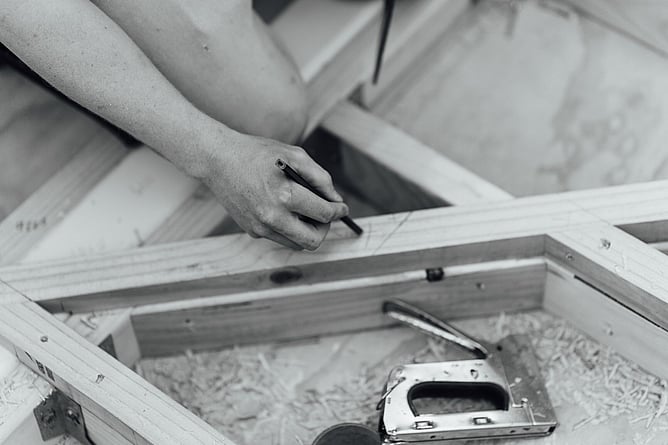
Attention to detail starts before construction begins
An architectural home has been designed with intention. There may be unusual forms, carefully considered sightlines, particular material combinations or details that look simple on paper but take considerable planning to execute well. That means, as the builder, we need to understand more than where something goes.
We need to understand what the architect or designer is trying to achieve, how different elements interact and how the detail can be constructed without compromising the design.Sometimes that means asking questions before work begins or discussing a junction or material choice with the architect. And sometimes it means looking ahead several stages because a decision made now will affect something that happens much later.
Those conversations might never be visible in the finished home. But the results will be.
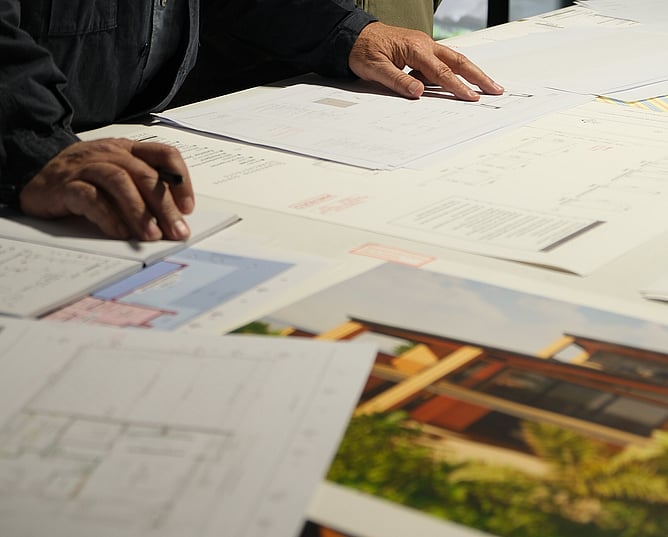
The details you see matter
In a high-end architectural home, finishes are meant to feel considered. Lines should meet where they’re supposed to. Materials should transition cleanly. Joinery, cabinetry, tiles, flooring and architectural features need to work together rather than looking like separate pieces added one after another.
Often, what makes a detail look effortless is the amount of thought that went into it. That takes skilled trades, good communication and a builder who is paying attention throughout the process. By the time you notice that something doesn't quite line up, the decision that caused it may have been made weeks earlier.
The details you don't see matter just as much
Some of the most important work in your home will eventually be hidden behind walls, ceilings and finished surfaces: Waterproofing, insulation, fixings, framing, substrates, and services. None of these are the exciting parts of choosing an architectural home, but they all contribute to how well that home performs and how well it lasts.
At JKL, attention to detail isn't reserved for the parts of the house people will admire. The same care goes into what sits behind the finished surfaces, because an exceptional result relies on good work happening at every stage before it.
Building material and product selection is about more than appearance
Architectural homes often use materials and products because they create a particular look or feel, but appearance is only one part of the decision.
A product also needs to be suitable for how and where it's being used, perform as expected and work alongside the other materials around it. Durability, maintenance requirements, environmental impact and how it will age over time can all be part of the consideration too.
That's where having an experienced builder involved in the conversation can be valuable. We can help explore the practical implications of different options so decisions aren't being made on appearance alone.
For clients who want to reduce the environmental impact of their project, that can also include looking at more sustainable building materials and alternatives.
Attention to detail includes how the site is managed
The quality of a home isn't only influenced by craftsmanship. It's also influenced by how well the project is managed.
A build involves a large number of moving parts. Trades need to arrive in the right sequence. Materials need to be ordered before they're required. Information needs to reach the right people, and client decisions need to be made early enough to avoid holding up the next stage.
Good project management means staying ahead of those details rather than reacting to them. It also means you don’t have to carry them yourself. You should know what’s happening with your home and be involved in the decisions that matter, without feeling responsible for coordinating the build.
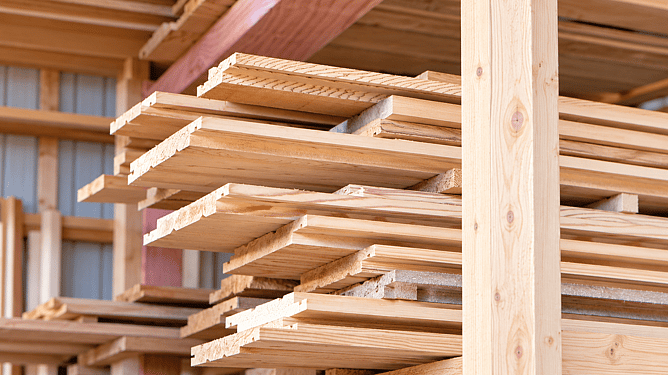
Even waste management is part of the detail
Attention to detail extends to how we use the materials that arrive on site.
For example, we use a timber stacking system that helps us select the most appropriate length of timber before cutting it. That means we're less likely to create an offcut that can't be used elsewhere.
It may seem like a small thing, but a building project contains hundreds of small decisions like this. When they're made carefully, they can reduce waste, improve efficiency and make better use of the materials you've paid for.
We've explained more about this in our guide to reducing waste during a home renovation.
Good builders notice problems before you do
One of the biggest benefits of experience is knowing where to look.
A detail might technically work but create a problem for the next trade. A product may look right but be unsuitable for the application. Something shown on a plan may need further discussion once the existing structure is opened up during a renovation.
Good building isn't about blindly following instructions. It's about understanding the intention, recognising potential issues and bringing the right people into the conversation early enough to resolve them properly.
That judgement is particularly important on complex architectural projects, where standard solutions don't always apply.
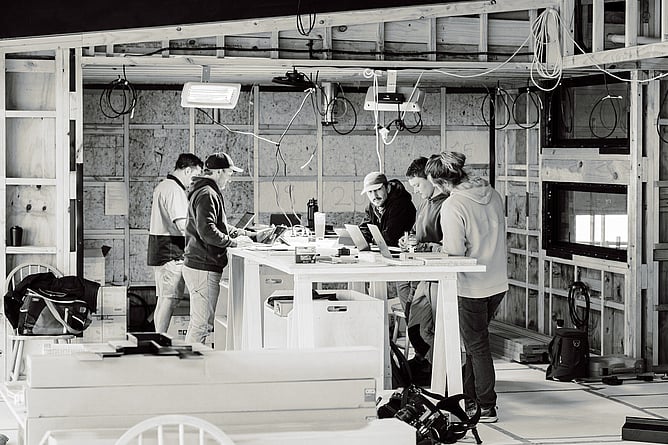
The small decisions shape the whole experience
When attention to detail is done well, you shouldn't have to think about most of it.
The work progresses.
Questions are anticipated.
Decisions are explained.
Problems are dealt with.
And the finished home feels like all its individual elements belong together.
That's the real difference attention to detail makes.
It's about caring enough about the whole project to get the small things right, because those small decisions ultimately shape the quality of the finished home.
At JKL, that's how we approach an architectural build. From how materials are used on site to how a complex design detail comes together, we pay attention at every stage of the process. When you're creating a home that has been designed specifically for you, the details should matter.
Planning an architectural new build or renovation in the Bay of Plenty? Talk to JKL about your project.
Frequently asked questions
What should I look for when comparing architectural builders?
Look beyond finished project photos. Ask how the builder manages the project, communicates with clients, works with architects and designers, handles unexpected issues and maintains quality throughout the build. These processes can tell you a lot about what working with them will actually be like.
When should an architectural builder become involved in the project?
Bringing your builder into the conversation early can make it easier to explore construction methods, materials, sequencing and practical implications before every design decision is finalised. The right timing will depend on your project and design team.
What's the difference between a standard builder and an architectural builder?
Architectural projects often involve more complex designs, unusual materials, bespoke details and close collaboration between the builder, architect, consultants and trades. An architectural builder needs the experience and craftsmanship to interpret and execute those details accurately.
How can I tell whether a builder's workmanship is high quality?
Ask to see completed projects, but also look at how the builder talks about their process. Quality workmanship comes from planning, skilled trades, good site management and consistent checking throughout construction, not simply a final inspection.