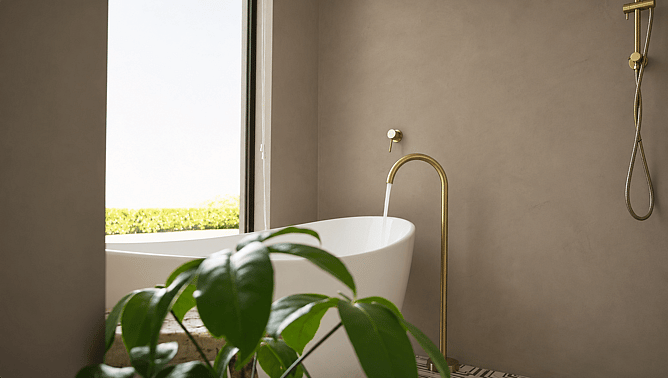
Do You Need Building Consent for a Bathroom Renovation?
Some bathroom renovations in New Zealand can be completed without building consent. Others need approval before work starts. The answer depends on the work involved: replacing existing fittings is a different proposal from adding an ensuite, altering structural framing or creating new drainage.
For homeowners in Tauranga and Mount Maunganui, the most useful first step is to describe exactly what will change. A new vanity, a larger shower and a better layout may look like one project on an inspiration board, but each can involve different building and plumbing work.
This guide explains the main consent questions, the details worth checking before demolition, and how to plan a bathroom that works well beyond its finished appearance.
The short answer
A straightforward replacement of comparable bathroom fixtures in their existing positions may qualify for an exemption. Moving existing fixtures can also be exempt in qualifying circumstances; moving plumbing does not automatically mean consent is required.
Adding sanitary fixtures, affecting structural elements or undertaking drainage work outside the relevant exemptions can change that answer. Tiled showers need a careful assessment of the actual construction rather than a blanket yes or no.
An exemption removes the requirement to obtain building consent for qualifying work. It does not remove the requirement to comply with the Building Code. The owner remains responsible for establishing whether consent is needed. [1]
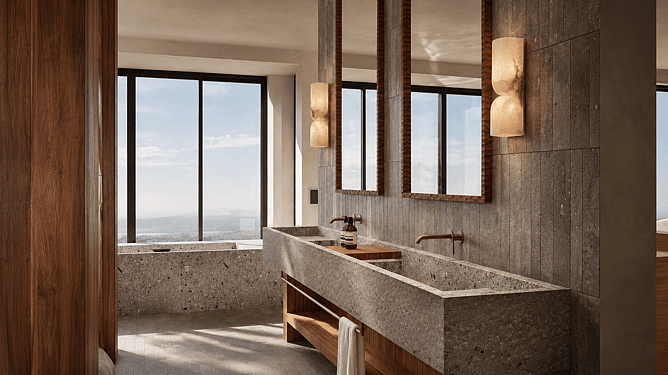
Replacing a vanity, toilet, bath or shower
MBIE’s guidance on sanitary plumbing and drainage allows qualifying repair, maintenance and replacement work without building consent when an authorised person carries it out. For replacement work under this exemption, the component or assembly must be comparable and remain in the same position. Conditions and exclusions still apply. [2]
Replacing an existing vanity with another comparable vanity in the same location is one of MBIE’s examples. A bathroom refresh may therefore involve exempt work, even when the room looks substantially different afterwards.
Before calling a replacement “like for like”, ask what is happening behind it. Does the new unit fit the existing services? Will installation disturb the wall or floor? Is the old fixture being replaced because of a leak or other failure that needs investigation?
Give the plumber the intended product specifications before ordering. The attractive fitting in the showroom still needs to work with the room and its service arrangements.
Can you move the toilet, shower or vanity without consent?
Sometimes. Exemption 35 covers qualifying alterations to existing sanitary plumbing where the total number of sanitary fixtures in the building is not increased and the work does not modify or affect a specified system. It excludes alterations to water heaters, and the plumbing must be carried out by an authorised person.
MBIE gives repositioning existing bathroom fixtures as an example of work that can be exempt. It also warns that plumbing work affecting structural performance may require consent. [3]
The useful distinction is between the plumbing alteration and everything needed to make it happen. Moving a toilet across a room might involve a suitable accessible pipe route, or it might involve work to framing or drains that needs a separate assessment.
Ask the team to mark the proposed fixture locations and explain the route between them and the existing services. That conversation often reveals whether the desired layout is a simple improvement or a much larger change.
Count fixtures across the building
The fixture-number condition applies to the building, rather than just the room being renovated. Adding a toilet where there was none is different from replacing an existing toilet. A second basin can also change the fixture count.
MBIE identifies a new ensuite with an additional shower, handbasin and toilet as work requiring consent. [3] Have the before-and-after fixture list checked rather than relying on whether the new bathroom occupies an existing room.
Plumbing and drainage need separate checks
A sanitary-plumbing exemption does not automatically cover all the associated drainage work.
There is a separate exemption for minor alterations to drains serving a dwelling, carried out by an authorised drainlayer. It excludes new connections to a network utility operator’s service. Whether an alteration is minor depends on the actual proposal; MBIE’s examples distinguish short, straightforward changes from more substantial work. [4]
For planning purposes, ask two questions: what changes inside the bathroom, and what changes beyond it? Include any external work in the scope before comparing quotes. A price based only on visible bathroom fittings can miss work elsewhere in the house or outside.
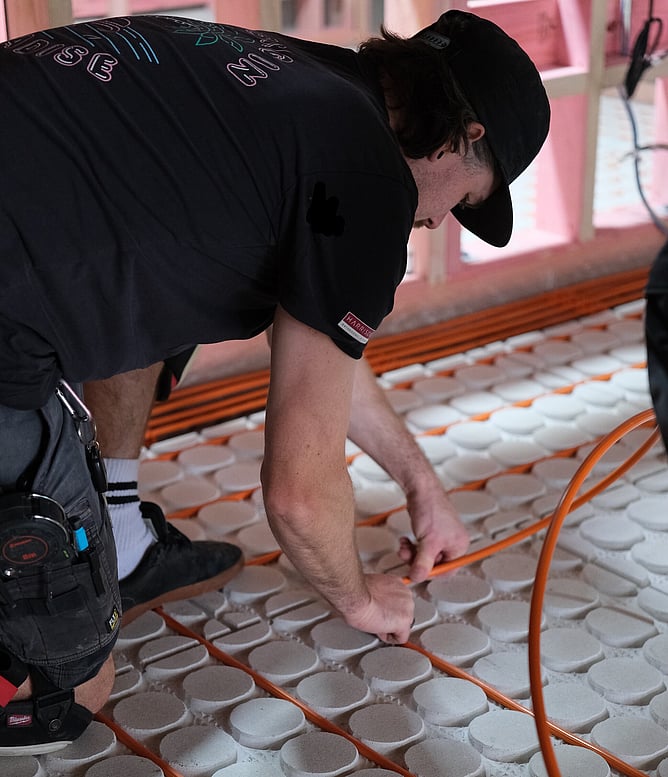
Do tiled showers need building consent?
Avoid assuming that every tiled shower requires consent, or that every tiled shower is exempt.
MBIE Determination 2024/054 considered two showers with acrylic floors and tiled walls over wet-area membranes in an existing dwelling. It found that installing those membranes formed part of exempt internal-lining work under clause 12 of Schedule 1. The showers nevertheless failed the relevant Building Code moisture requirements. [5]
That decision is useful because it separates consent requirements from construction quality. It does not establish that every proposed tiled shower, tiled floor or level-entry conversion is exempt.
A level-entry shower involves more than choosing tiles
Ask how the proposed shower will be built. Does it retain a suitable existing base? Does it require changes to floor framing to create falls? What happens at the doorway, drain and junctions with surrounding surfaces?
Structural floor alterations to achieve shower falls can require consent. The proposed floor structure, waterproofing and drainage therefore need to be assessed together. [6]
Before choosing the finished look, ask who will design the detail, who will install each part and what evidence of the completed installation will be provided. A drawing of the finished room should be supported by an agreed construction approach.
Changing walls, doorways or the floor
A bathroom often becomes more usable when an awkward doorway moves or space is borrowed from an adjoining room. Establish the wall’s role before committing to removal.
The internal-wall exemption excludes load-bearing walls, bracing elements, fire-separation walls, walls forming part of specified systems and certain masonry walls. A wall that does not support the roof may still provide bracing. [7] You can read more about what to consider before making structural changes in JKL’s guide to removing a wall.
Relining is a separate question. MBIE provides an exemption for internal linings and finishes in existing dwellings, while recommending qualified advice where bracing, fire resistance, structural performance or internal moisture could be affected. [8]
For the homeowner, this is a reason to develop the layout alongside building advice. An alternative door position or shower arrangement may achieve the same everyday benefit with a more practical construction solution.
What about an older Tauranga or Mount Maunganui home?
The location does not give a bathroom its own exemption rules. The existing house and the proposed changes determine what needs checking.
In an older home, begin with the information available: existing plans, previous alterations and signs that the room needs more than new fittings. Uneven floors, staining or soft surfaces are reasons to investigate before deciding what can be retained. They are observations to follow up, rather than a diagnosis of what is wrong.
Consider how the room serves the household too. Would a larger shower improve access? Is there enough storage near the basin? Can the bathroom door open without conflicting with another door or fixture? Where will towels dry and everyday items live?
For a Mount Maunganui home used after beach trips, easy cleaning and a sensible place for sandy towels may be priorities. For a family home elsewhere in Tauranga, keeping a usable toilet available during construction may shape the programme. Bring those needs into the brief early, alongside the desired finish.
How to confirm the consent requirements before starting
1. Describe the complete proposed scope
Prepare a simple existing plan and proposed plan. List fixture numbers and positions, shower construction, wall changes, flooring and any external drainage work. Include changes you are still considering so they can be discussed before selections become commitments.
2. Have the relevant people assess it
Involve the builder and authorised plumber early, with a designer, engineer or other specialist where the proposed work needs their input. Ask which work is considered exempt, the exemption being relied on and whether any other part of the project needs consent.
If the answer remains uncertain, take the documented proposal to Tauranga City Council for project-specific guidance. “We are renovating the bathroom” gives far less useful information than a plan and a clear description of what will ch
3. Resolve approvals before demolition
Where consent is required, obtain it before carrying out the work it covers. Agree who will prepare the application, answer council questions and coordinate the relevant inspections or other compliance steps.
Tauranga City Council describes a statutory processing period of 20 working days once an application is accepted, with the clock stopping when further information is requested. That is a processing framework, not a promise that the bathroom can start four weeks after the first design conversation. [9]
Allow separately for investigations, drawings, decisions, product availability and trade scheduling.
4. Recheck if the scope changes
Discovering a damaged floor or deciding to add another fixture can change the original proposal. Agree a pause-and-review process for those decisions. Confirm the technical and approval implications before the additional work is carried out, rather than treating every discovery as an automatic extension of the initial scope.
Exempt work still deserves a clear paper trail
Keep an organised record of what was agreed and completed. A useful project folder can include the scope, relevant plans, the basis for the exemption assessment, product information, trade details, invoices, photographs and installation records.
For waterproofing, ask what system was installed and what installation evidence and maintenance information will be handed over. For changes hidden by linings, arrange photographs at the appropriate stages.
These are practical records for future maintenance and discussions about the house. They do not substitute for a consent when one is required, or prove compliance simply because they exist.
For consented work, Tauranga City Council requires the relevant inspections to be completed and passed, and the required documentation submitted, before a code compliance certificate can be issued. Confirm the project’s close-out requirements at the outset. [10]
Recent plumbing self-certification arrangements should also not be confused with an exemption from consent. MBIE states that the scheme does not change which plumbing and drainlaying work is already exempt under Schedule 1. Ask the project team which compliance route applies. [11]
Questions to bring to your first bathroom renovation meeting
Which parts of the existing room can be retained?
Are we replacing fixtures, moving them or adding to their number?
Does the shower design affect the floor structure?
Will the work affect bracing, load-bearing walls or fire separation?
What plumbing and drainage changes are included?
What needs investigating before the price and programme can be confirmed?
Who will establish the consent requirements and keep the supporting records?
How long will the bathroom be unavailable, and what facilities will remain?
Who will coordinate the trades and hand over the completed project information?
Planning a bathroom renovation in Tauranga or Mount Maunganui?
A well-planned bathroom starts with the existing room, the improvements you want and a clear understanding of the work behind them.
JKL Architectural Builders undertakes renovations across Tauranga and Mount Maunganui, working with homeowners, designers and trades to bring the project together. If you are considering a bathroom update, talk to JKL about the space, your priorities and the next steps for assessing the proposal.
Explore JKL’s renovation services, or get in touch to discuss your bathroom project.
Sources and further reading
The information above reflects the official guidance reviewed on 8 November 2026. Consent requirements must be assessed against the particular proposal; this article is general homeowner guidance.
1. Tauranga City Council ,Do I need a building consent? (Tauranga City Council login required)
2. MBIE - Repair, maintenance and replacement of sanitary plumbing and drainage
3. MBIE - Alteration to existing sanitary plumbing
4. MBIE - Minor alteration to drains
5. MBIE - Determination 2024/054
7. MBIE - Internal walls and doorways
8. MBIE - Internal linings and finishes
9. Tauranga City Council ,Building consent process (Tauranga City Council login required)
10. Tauranga City Council ,Code compliance certificate
11. MBIE - Plumbing and drainage work that doesn’t need a building consent